Energy
How we use energy matters. Energy use in homes, businesses, and municipal buildings is the biggest source of greenhouse gas emissions in Bend.
Access local energy efficiency resources
Visit “Bend Energy Smart” to see what local electrification and energy efficiency resources are available to you!
Half of our local emissions come from energy use in buildings, so improving energy efficiency and switching to renewable energy are key to meeting the City’s climate goals. By boosting energy efficiency and moving to carbon-free sources, Bend is working toward the Community Climate Action Plan‘s goal of cutting fossil fuel use by 70% by 2050.
Reducing energy emissions involves two main strategies: improving energy efficiency and switching to clean, renewable energy sources. Efficient buildings help reduce energy waste and save money, while renewable energy sources like solar and wind replace fossil fuels, cutting down on carbon emissions.
The City is backing these efforts with building codes, electrification incentives, and renewable energy programs, making sure both new and existing buildings contribute to Bend’s climate goals. Additionally, the City is pushing for state and federal policies that speed up the transition to clean energy, ensuring long-term benefits for both residents and businesses.
Greenhouse Gas Emissions from Energy
According to the 2021 Community Greenhouse Gas Inventory, energy-related emissions make up 50% of Bend’s local emissions. Residential buildings are responsible for 28%, and commercial buildings contribute 20%. Within this sector:
- Electricity use accounts for 73% of building energy emissions.
- Natural gas contributes 24%, mainly for heating.
- Industrial energy use makes up the remaining share.
Between 2016 and 2021, energy-related emissions in Bend decreased by 1.5%, from 680,000 MTCO2e in 2016 to 670,000 MTCO2e in 2021. This slight decline reflects improvements in energy efficiency and the growing share of renewable energy in the electricity grid. However, population and economic growth have led to rising overall energy consumption, highlighting the need for continued investment in efficiency measures and clean energy sources. Expanding renewable energy options and promoting electrification will be crucial in meeting Bend’s long-term goal of reducing fossil fuel use by 70% by 2050.
What the City is Doing
The City is working on a proposed electrification policy designed to reduce greenhouse gas emissions from new residential construction. In 2024, City Council asked the Environment and Climate Committee (ECC) to explore ways to encourage building electrification. After research and community input, Council directed staff to develop a policy mechanism to reduce natural gas in new residential construction and use this tool to help fund incentives for electrification. At the October 22 City Council Work Session, staff shared findings from a preliminary cost-benefit analysis and received direction to proceed with a tiered climate pollution fee structure. Council also encouraged continued exploration of non-financial incentives to support the transition. Staff will return to a Council work session on December 10 to review different fee scenarios and refine the stakeholder engagement strategy. This will help inform the development of both the fee and incentive components of the electrification policy. The engagement plan includes forming an advisory committee and hosting community roundtables beginning in early 2026.
Important Clarification: This policy would not apply to existing homes or buildings. If your home currently uses natural gas appliances, this proposal would not require their removal or impose any fees. The climate pollution fee under consideration would apply only to new residential construction.
Learn more about our ongoing electrification policy here:
Bend is dedicated to powering all city operations with 100% renewable electricity by 2025. The city supported the passage of House Bill 2021, which sets a goal for investor-owned utilities to use only renewable electricity by 2040. This bill also requires utilities to offer a community green tariff, allowing residents and businesses to choose a fully renewable electricity supply. Bend is working with Pacific Power and local partners to explore this option.
The City conducted a Regional Resource Recovery Alternatives Analysis study to find ways to reduce landfill waste and recover energy from organic materials. This study looked at the possibility of using anaerobic digestion and composting to turn organic waste into biogas or fertilizer. It also considered expanding waste-to-energy technologies and opportunities for regional cooperation to improve sustainable resource recovery. These projects will be further explored in the Water Reclamation Facility master planning process in 2024.
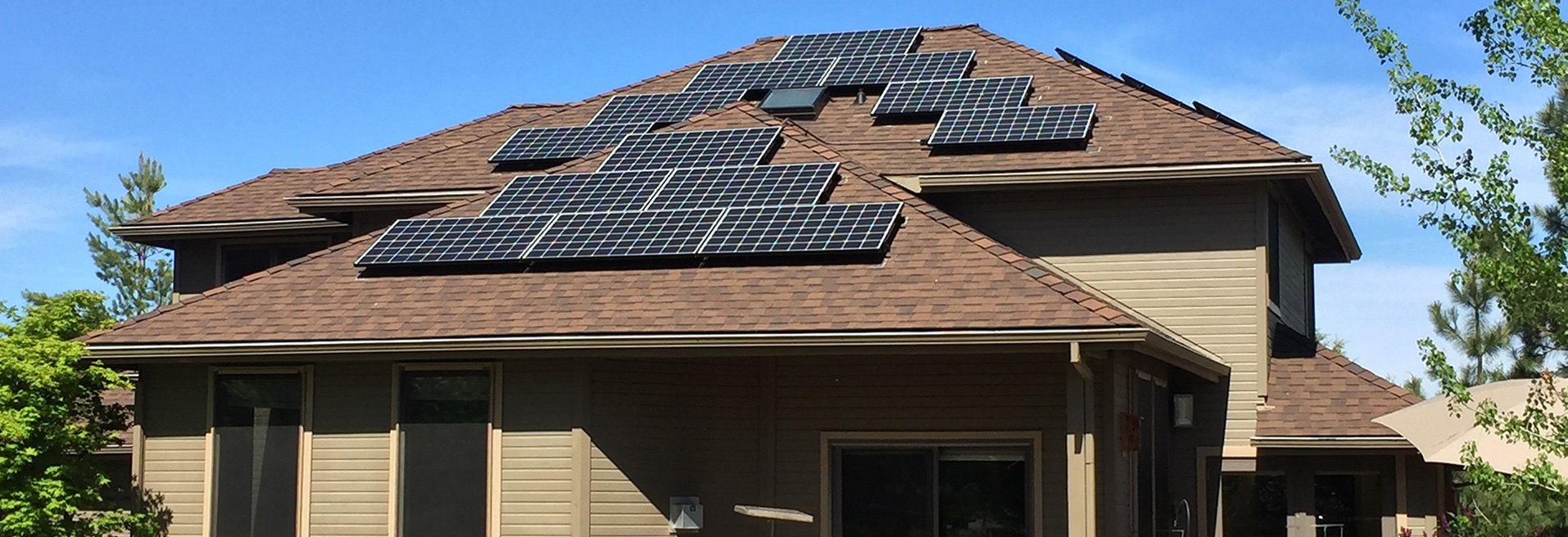
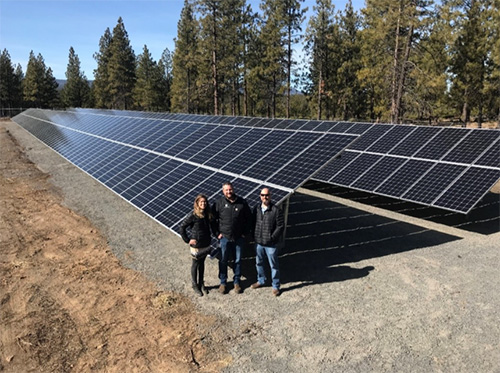
Bend is increasing its use of solar energy by installing solar power systems on city buildings, including water and wastewater treatment facilities. Current projects include:
- A 129-kilowatt ground-mount system at the Outback Water Filtration Facility (2020)
- A 110-kilowatt roof-mount system at the Outback Water Filtration Facility (2020)
- A 78.2-kilowatt ground-mount system at the Awbrey Butte Utility Site (2022)
- A 600-kilowatt system planned for the Juniper Ridge Public Works Campus (construction begins in 2024)
The City continues to prioritize solar installations for new municipal buildings, reducing operational emissions and lowering long-term energy costs.
Bend is committed to energy efficiency and reducing emissions. As part of this effort, the city has converted over 2,000 public streetlights to energy-efficient LED fixtures. This project significantly cuts energy use, lowers maintenance costs, and reduces light pollution, all while improving visibility and safety on city streets. The new LED lights use less energy than traditional high-pressure sodium lamps, supporting the city’s goal of reducing municipal energy consumption. Residents can track the progress of the streetlight conversion through an interactive project map, and any issues with LED lights can be reported to LEDstreetlights@bendoregon.gov.
Launched in 2023, the Home Energy Score Program helps make home energy use more transparent and encourages efficiency improvements. This program requires all homes listed for sale to include an energy score, helping buyers compare properties based on efficiency. It also provides homeowners with cost-effective recommendations for upgrades. As of 2024, over 1,200 homes have received scores, offering valuable data to guide energy-saving investments across Bend.
Bend actively participates in state and federal policy advocacy to promote energy efficiency and renewable energy initiatives. This includes supporting Reach Code legislation, which allows local governments to adopt more ambitious energy standards and promoting clean energy incentives and funding for electrification programs. Bend is also involved in discussions on grid resilience and climate adaptation, ensuring that local policies align with broader sustainability efforts.
Bend is working to promote smaller, energy-efficient housing to reduce per-capita energy consumption and emissions. The city has updated zoning codes to allow micro-units, accessory dwelling units, and small-lot developments, making it easier to build compact, efficient housing. Additionally, the city has introduced density bonuses for sustainable housing projects and launched a pre-approved accessory dwelling unit design program to streamline the construction of energy-efficient homes.
What You Can Do
Choosing a smaller home with efficient features can help you use less energy for heating and cooling. Here are some tips to improve energy efficiency:
- Buy energy-efficient systems and appliances: Look for heating and cooling systems, water heaters, and appliances that save both money and energy.
- Consider an all-electric heat pump: When it’s time to replace your heating or cooling system, an all-electric heat pump can be an excellent choice for better efficiency.
- Upgrade your water heater: An ultra-efficient insulated electric water heater can make a significant difference in your energy use.
- Purchase Energy Star-rated products: These electronics and appliances are designed to maximize efficiency and savings.
- Central Electric Cooperative customers: Explore residential energy efficiency incentives offered by your utility provider.
- Pacific Power or Cascade Natural Gas customers: Check out the Energy Trust of Oregon’s incentives, financing options, and efficiency programs.
- Renters: You can also benefit from energy efficiency programs through the Energy Trust of Oregon.
- Pacific Power customers: Enroll in the Blue Sky Program to purchase renewable energy credits and offset your electricity use.
- Central Electric Cooperative customers: Learn about renewable energy programs and incentives available to you.
- Explore solar energy options: Consider solar energy for your home or business through the Energy Trust of Oregon.
- Renters: Learn about strategies to reduce energy use in apartments and rental homes.
- Smart home technology: Use programmable thermostats and energy-efficient lighting to save energy.
- Weatherize your home: Seal air leaks, upgrade insulation, and install energy-efficient windows to keep your home comfortable and efficient.
Energy Smart Bend connects Bend residents and businesses with opportunities to make their homes and buildings more energy efficient, reduce monthly utility costs, and support a cleaner energy future. Through a mix of local programs, incentives, and guidance, the initiative makes it easier to take practical steps that align with the city’s long-term climate and sustainability goals.
Explore Bend Energy SmartStay Connected
Sign up for Bend’s Sustainability Newsletter to receive updates on Community Climate Action Plan events, progress, and community opportunities.