Historic Preservation
At the City of Bend, we recognize the significance of our cultural resources and are committed to preserving the heritage that has shaped our community.
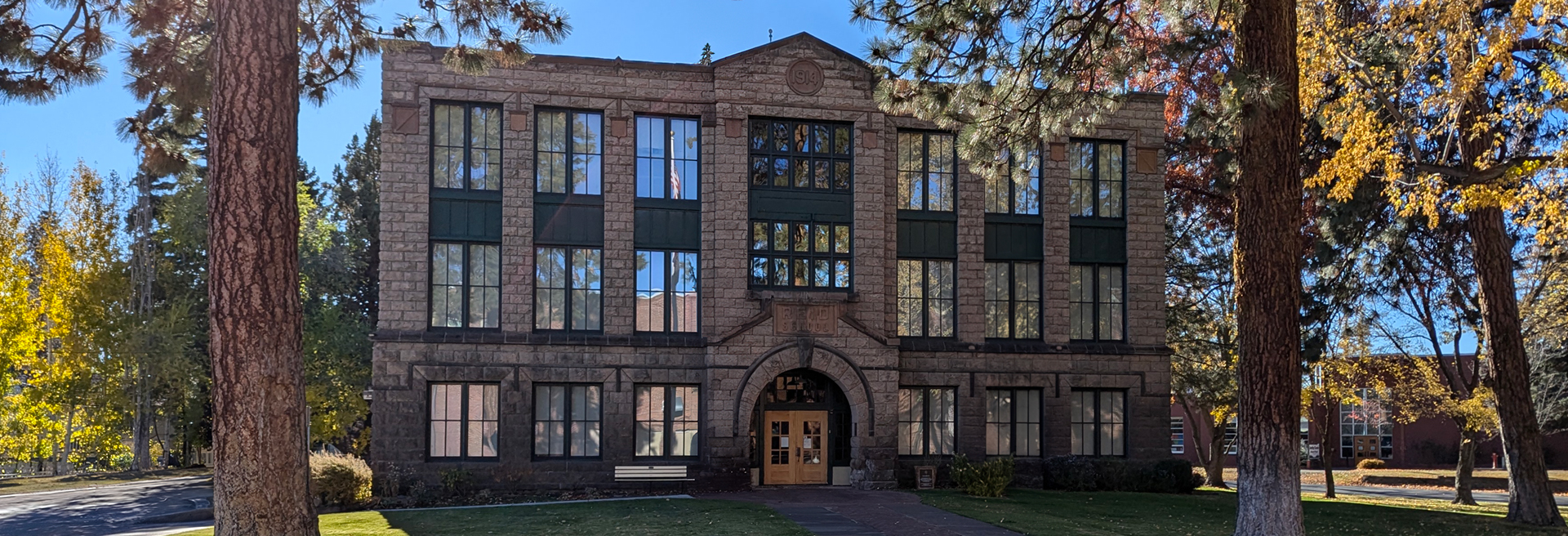
Below you will find comprehensive resources and information related to the preservation of historical structures and districts within the city. We have included access to federal, state, and local codes, inventories of local historic resources, and technical resources for their preservation and rehabilitation. There are also resources for available grants and tax incentives for historic preservation projects. Additionally, we have maps of historic sites and districts, such as the Old Town Bend and Drake Park Historic Districts, which are key areas of historical significance in Bend.
Bend’s History
For thousands of years, the Wana Łama, Wasq’u, and Northern Paiute tribes lived in what is now Bend, Oregon, until the mid-19th century when The Warm Springs Treaty of 1855 led to the establishment of the Warm Springs Reservation. Bend evolved from a small trade center in the early 1900s to a booming city with the arrival of the railroad and large lumber mills, significantly shaping its historic downtown and residential areas.
Benefits of Owning a Historic Resource
Owning a historic property comes with many benefits to the community, including:
- Environmental: By preserving historic buildings, we save important cultural resources and practice sustainability. This helps conserve our limited environmental resources and makes good use of past energy investments.
- Cultural: Historic preservation keeps our cultural identity alive through local architecture. By preserving these buildings, we can share the same spaces where past generations lived.
- Economic: Studies show that historic properties often increase in value faster than non-historic ones. Knowing the importance of a historic property can help keep its value high. The Historic Preservation Code helps maintain property values by ensuring the historic character of the area stays intact.
- Financial: The State Historic Preservation Office offers federal tax credits and a 10-year freeze on property assessments for nationally listed historic resources. Plus, there are many public and private grants available for preserving historic buildings.
Codes & Regulations
The City of Bend, incorporated in 1905, saw significant growth due to the completion of the Oregon Trunk Line Railroad in 1911 and the establishment of large sawmills by the Shevlin-Hixon and Brooks-Scanlon companies in 1915. These developments boosted Bend’s population and commerce, leading to the preservation of many historic buildings from that era. The City of Bend, in partnership with the Deschutes County Historical Society, helps maintain and promote these sites, emphasizing their importance for public knowledge, pride, and economic benefit. Rapid growth makes it crucial to identify and protect Bend’s historical and cultural resources.
To help protect our historical and cultural resources, the following codes and regulations have been established:
Preservation Stories
Historic preservation helps keep Bend’s historical districts looking great and protects their unique history. These are just a few inspiring stories about people who are helping to preserve Bend’s history, one story at a time:
Documents & Resources
Historic Preservation Permitting Forms
-
Historic Resource Alteration Application
-
Historic Resource Construction Details Checklist
-
Historic Resource Demolition Application
-
Historic Resource Designation Application
-
Historic Resource Mechanical Equipment Application
-
Historic Resource New Construction Application
-
Historic Resource Relocation Application
-
Window Assessment Key Form
How-to Guides and Resources for Historic Preservation Projects
- Lead-Based Paint and Historic Preservation:
- Historic Wood Windows:
- Historic Wood Windows
- Constructing Wood Storm Windows
- Technical Preservation Services – Evaluating Historic Windows for Repair or Replacement
- Technical Preservation Services – Replacement Window that Meet the Standards
- Window Energy Analysis
- 10 Reasons to Repair Your Old Windows
- Saving Windows, Saving Money: Evaluating the Energy Performance of Window Retrofit and Replacement
- Other Helpful Documents:
Technical Resources
- Heritage Bulletin 6 Planning a National Register Historic District
- Historic Downtown Mainstreets: Strategies for Compatible Streetscape Design
- Main Street…When a Highway Runs Through It: A handbook for Oregon Communities
- New Preservation Brief on Historic Buildings and Energy Efficiency
- New Preservation Toolkit Offers Aid to Historic Building Owners
- Rehabilitation Success Stories
- Technical Preservation Services – Solar Installations
Landmarks Commission
The City of Bend Landmarks Commission has seven members who are passionate about things like architecture, history, archaeology, and more. They hold public hearings on the third Tuesday of every month to review certain projects that impact historic sites, districts, or buildings.
Partner Agency Resources

Customer Resources:
Monday through Friday
8 a.m. – 5 p.m.
Permit Inquiries:
Monday through Friday
9 a.m. – 4 p.m.
Closed most major holidays.

Location:
710 NW Wall Street
Bend, OR 97703