Car Seat Clinic Details and Information
Bend Fire & Rescue hosts free car seat checks every other month to help families install seats correctly and learn important safety tips for kids of all ages.
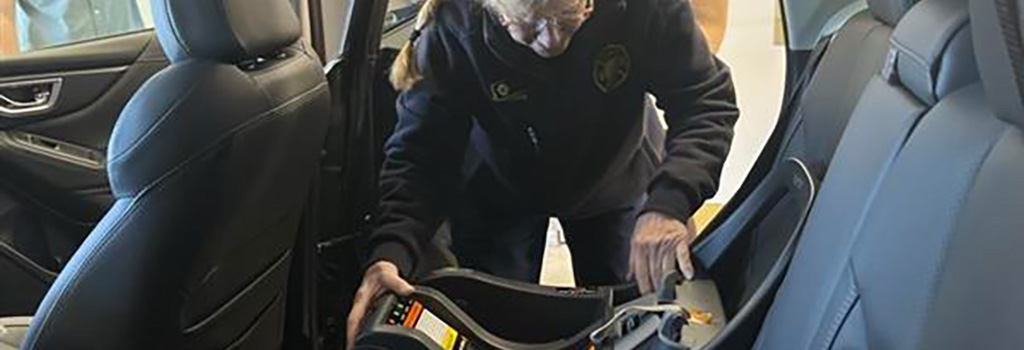
Bend Fire & Rescue offers free car seat checks to all community members!
- Date: Every other month on the third Friday.
- Time: 10 a.m. – 1 p.m.
- Location: North Fire Station, 63377 Jamison Street.
Friendly volunteers will be there to help you check your child’s car seat and make sure it’s installed correctly. You don’t need to make an appointment—just stop by!
Before You Arrive: To make the most of your visit, please do the following ahead of time:
- Read your car seat’s instruction manual.
- Look through your vehicle’s owner’s manual.
- Try installing the car seat yourself first.
- Visit the car seat manufacturer’s website to see if they have a helpful video.
Why Car Seat Safety Matters
Using the right car seat the right way can make a big difference in keeping your child safe during a crash. There are lots of resources at the National Highway Traffic Safety Administration’s website for car and booster seats. Here are some additional helpful tips:
- Watch how-to videos online.
- Read both your car seat and vehicle manuals carefully.
- Check the car seat manufacturer’s website to see if they offer any helpful installation videos.
- If you have questions about your specific car seat, contact the car seat or vehicle manufacturer.
Car Seat Guidelines
- Babies must ride in a rear-facing seat until they are at least 2 years old. It’s even better to keep them rear-facing until they reach the seat’s height or weight limit.
- When rear-facing, the harness straps should be at or below your child’s shoulders. When forward-facing, the straps should be at or above the shoulders.
- The chest clip should be at armpit level.
- The harness should be snug—you shouldn’t be able to pinch any extra strap.
- Never place thick coats or blankets between your child and the harness.
- Children must use a car seat with a harness until they weigh at least 40 pounds.
- Use either the seat belt or the built-in anchors in your car—but not both at the same time.
- The best car seat is the one you can install and use correctly every time.
Booster Seat Basics
- Once your child weighs more than 40 pounds, they should use a booster seat until they are 8 years old or 4 feet 9 inches tall—whichever comes first.
- The seat belt should lie flat across the upper thighs and across the collarbone—not the neck or face.
- Your child should be able to sit up straight for the whole ride without slouching or leaning.
- If your car only has lap belts in the back seat, your child can use just the lap belt, but it must fit snugly.
Seat Belt Use for Older Kids
- Children who are 8 years or older, or taller than 4 feet 9 inches, can use the regular seat belt if it fits properly.
- The lap belt should sit low across the thighs, and the shoulder belt should cross the chest and collarbone.
- Kids under 13 should always ride in the back seat for the best protection.