Street Preservation
The Streets and Operations Division is dedicated to keeping the good roads good. By prioritizing timely and appropriate maintenance, we aim to preserve the integrity of our roadways and enhance the overall traveling experience for everyone.
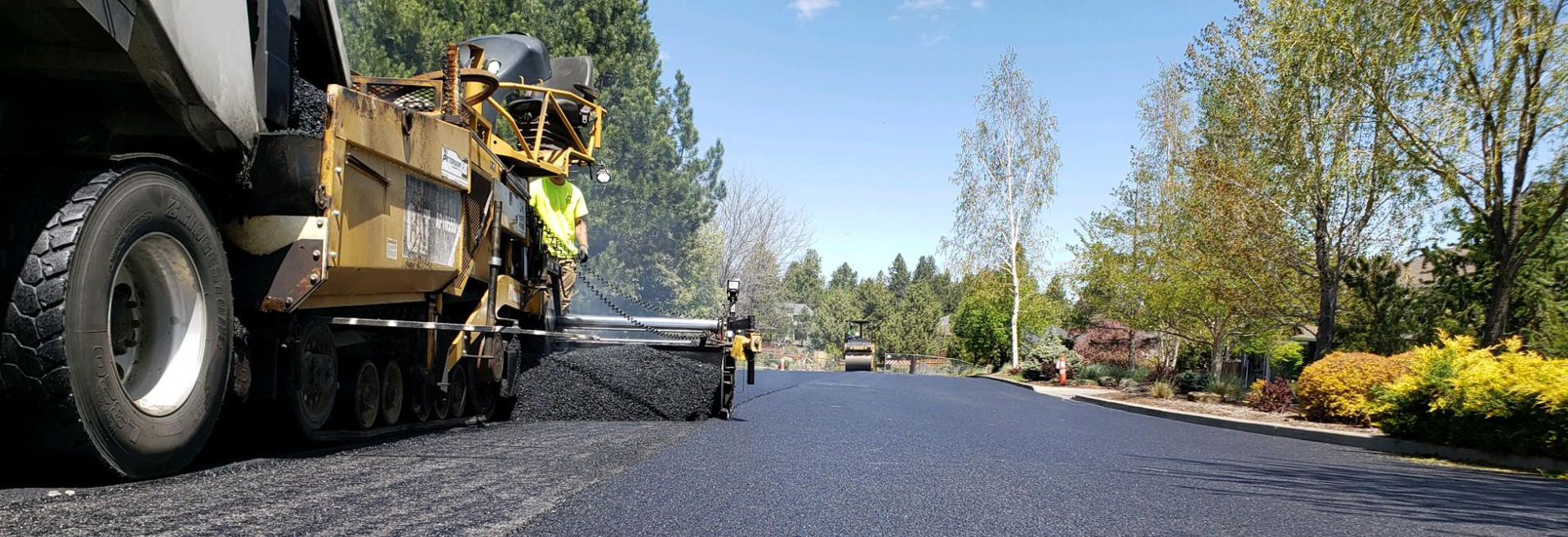
We are committed to using public funding responsibly by implementing cost-effective maintenance strategies to maximize the life expectancy of our roads. Our “Keep Good Roads Good” philosophy means we maintain and preserve streets with the most cost-effective treatment for the road condition — the right treatment at the right time.
Current Street Preservation Projects
This year’s street preservation projects can be found on the following interactive map:
Pavement Preservation Treatments
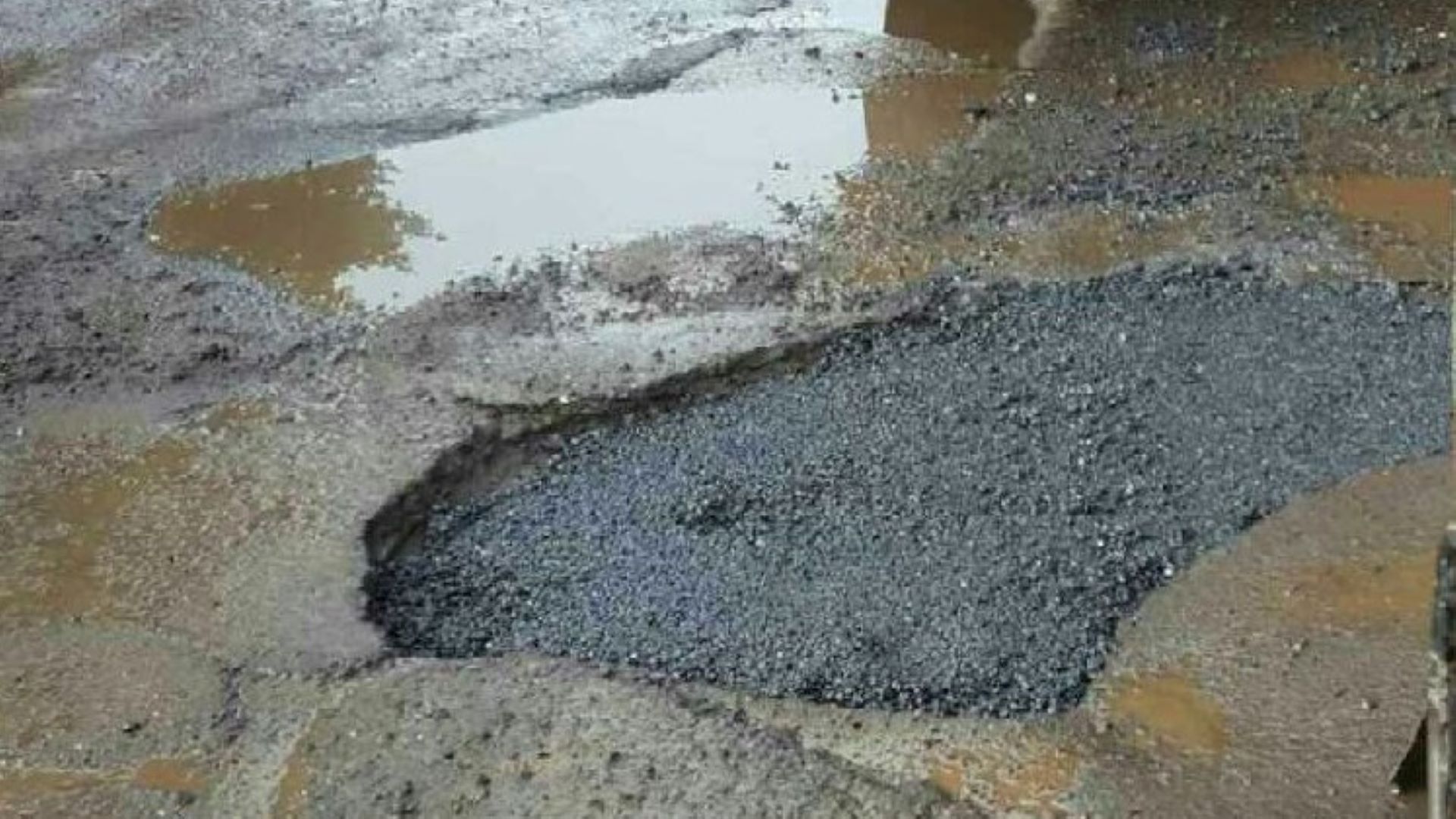
Potholes usually start with water and worn-out asphalt. When there’s a crack or weak spot in the road, water seeps in. Cold weather and changing temperatures cause the asphalt to freeze and thaw, making it expand and contract. This process eventually creates a pothole. Even though potholes are bound to happen, fixing them quickly can extend the life of our streets and save on future maintenance costs. The City repairs over 900 potholes each year.
You can report potholes online using our Bend Works app.
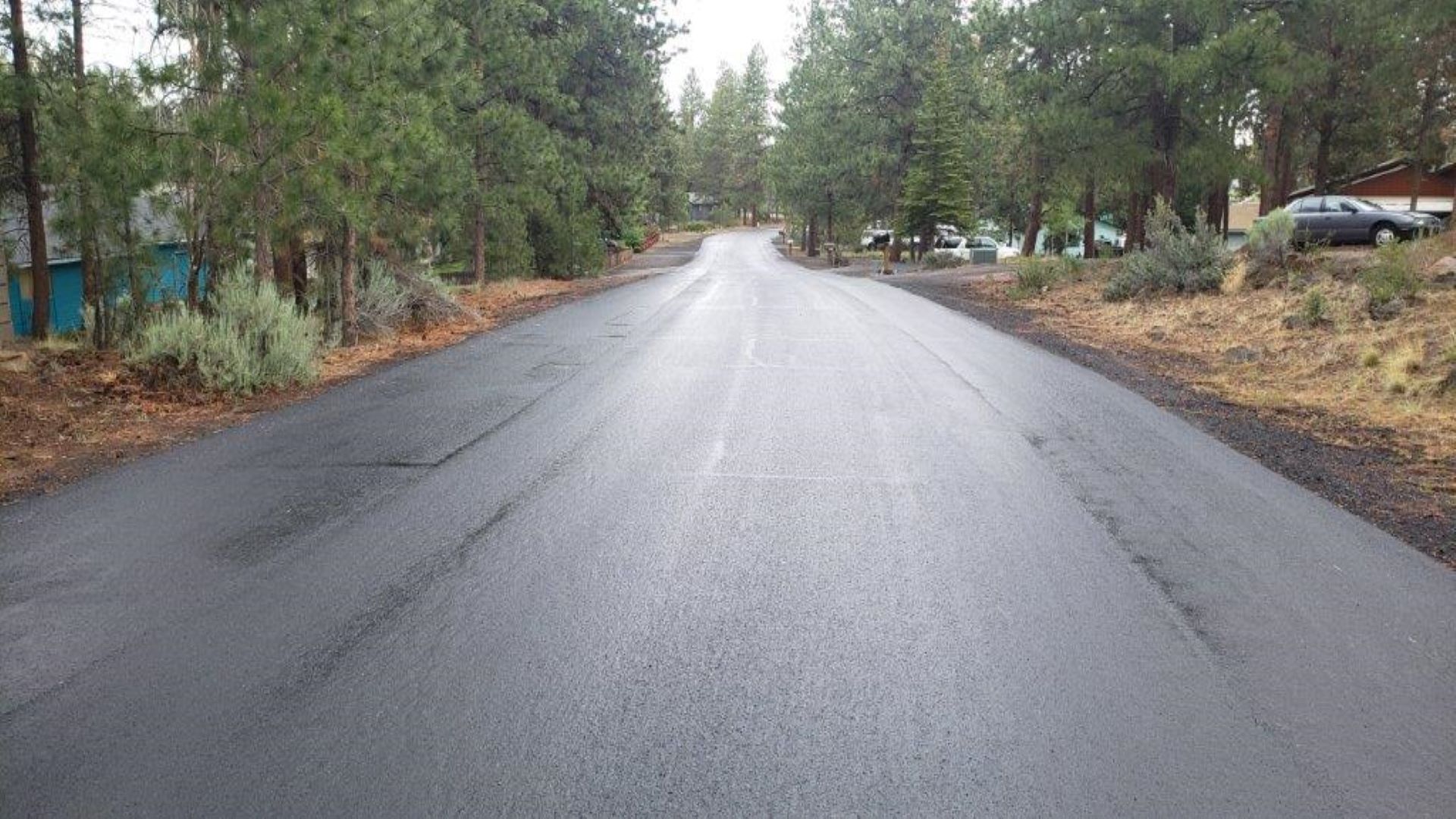
Slurry seal is a surface treatment designed to extend the life of asphalt pavements by providing improved skid resistance, restricting moisture intrusion, protecting the structure from further oxidation and raveling, and restoring a uniform appearance. The City of Bend typically uses slurry sealing on low-volume residential streets. Treatments start and finish within a day.
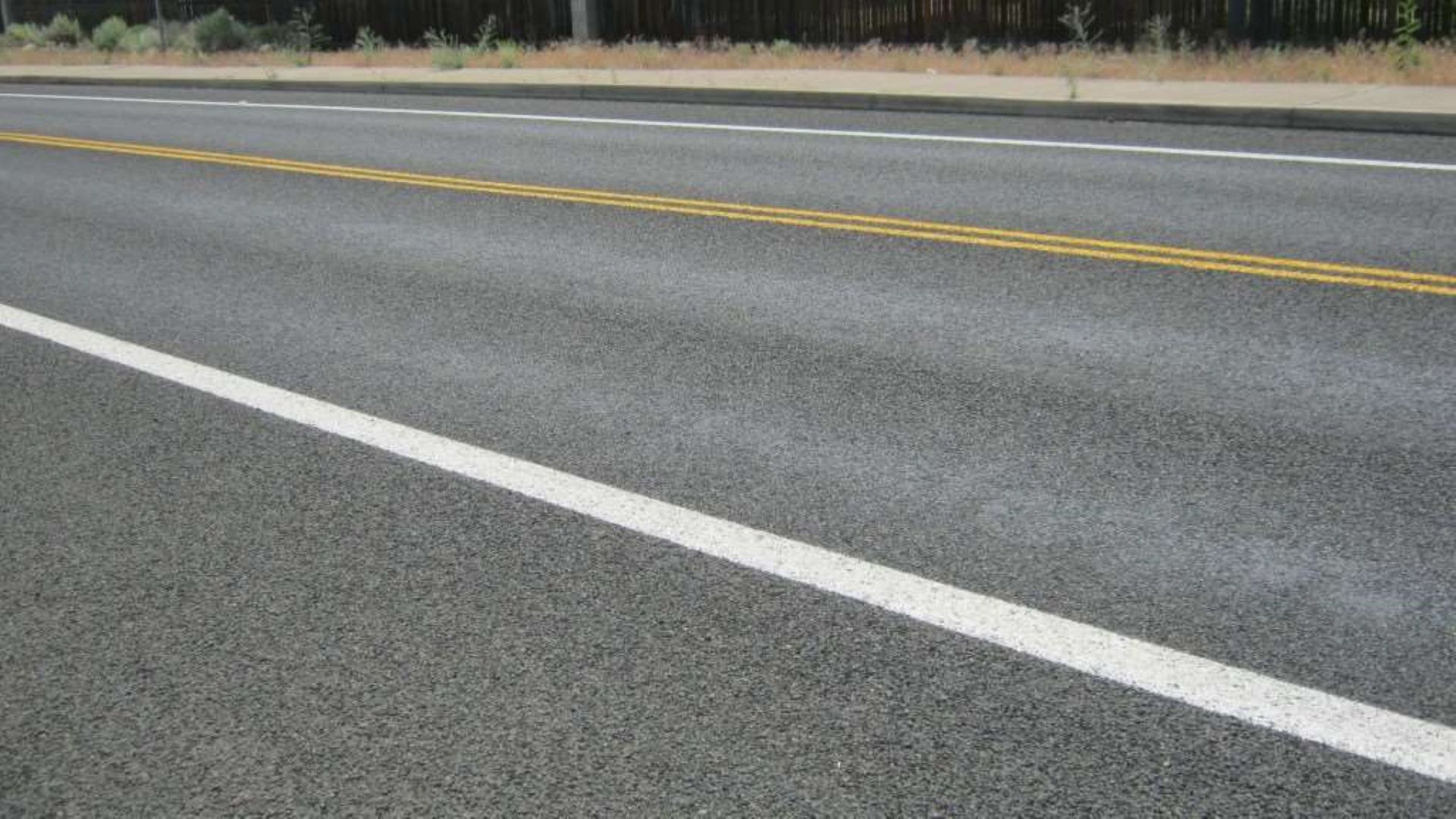
A chip seal is an effective and economical roadway surface treatment that involves the application of one or more layers of asphalt binder followed by a layer of embedded aggregate. This process refreshes the road surface by giving it a new, skid-resistant layer, stops unraveling, seals small cracks, and prevents further damage to the road. Chip seals a great option for keeping roads in both cities and rural areas in good shape, ensuring they last longer and stay safe with minimal disruption to drivers.
When application is happening, typically there are rolling, short-term road closures expected.
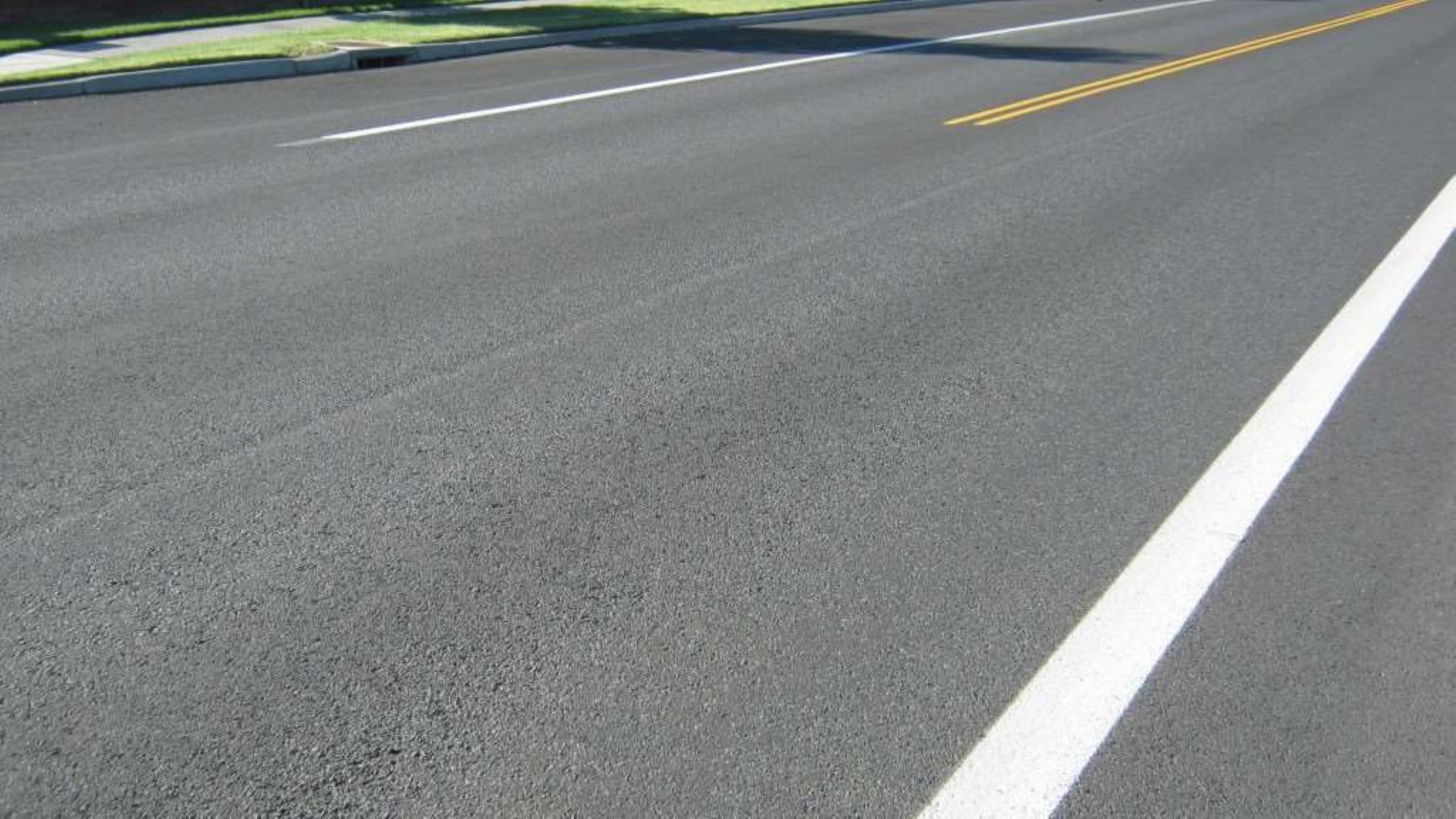
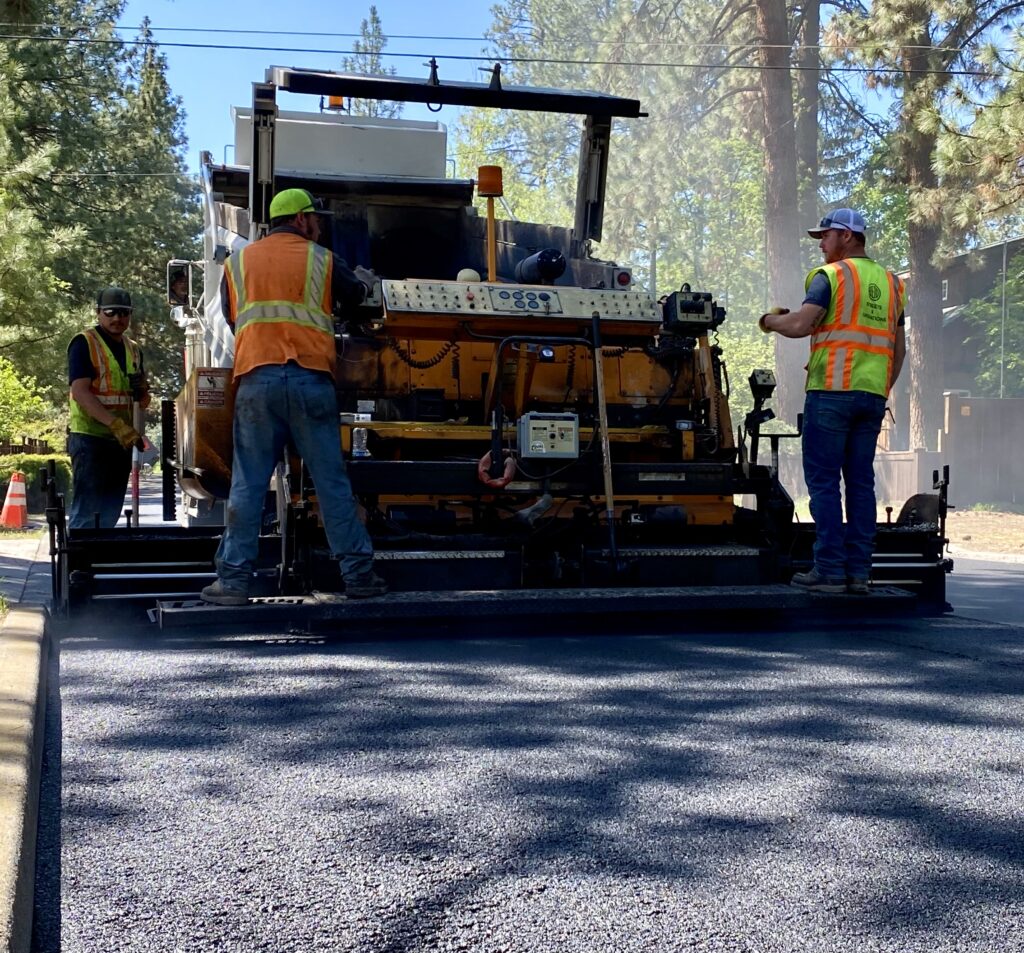
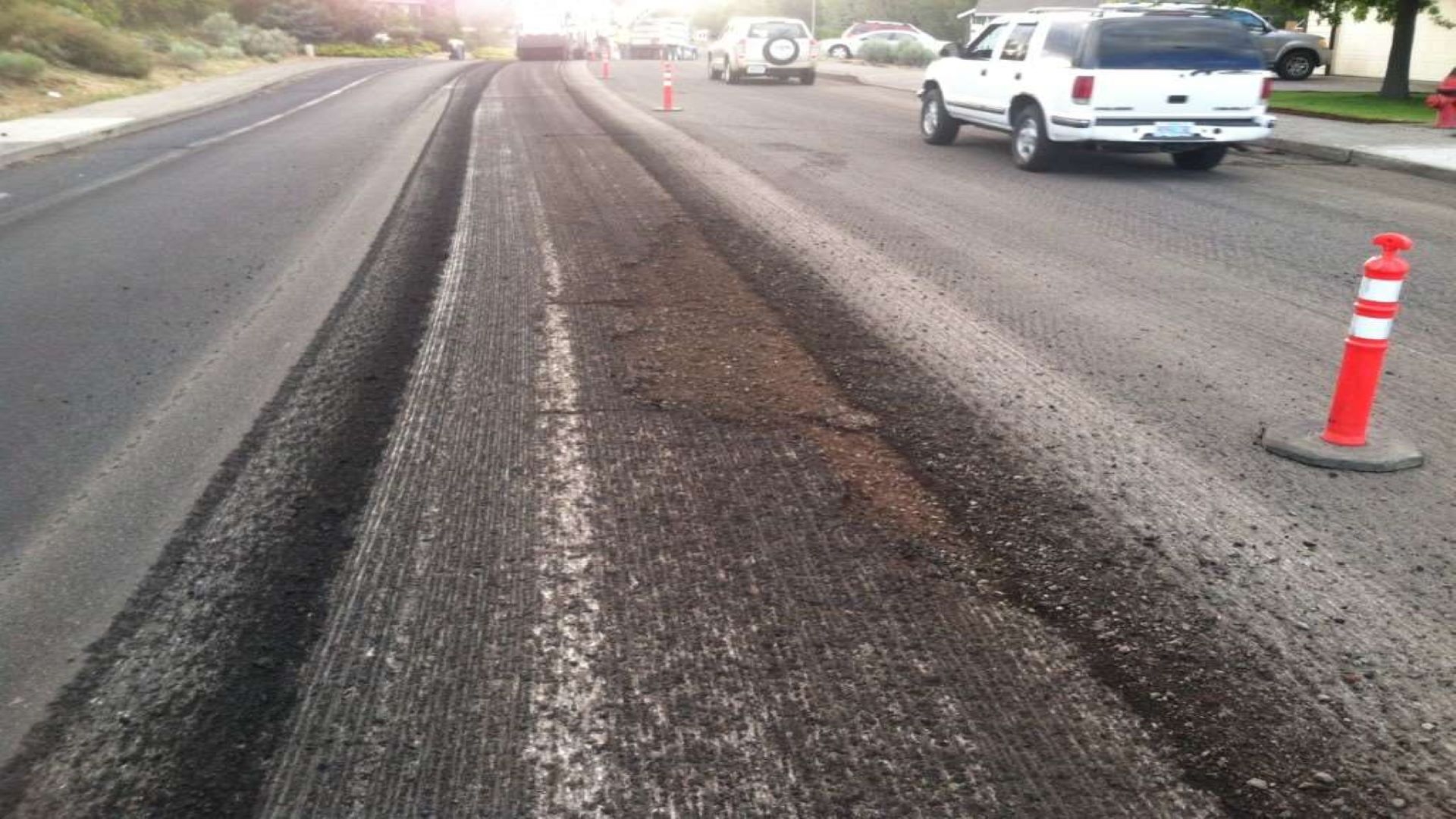 Paving is the process of constructing a durable, smooth, and aesthetically pleasing surface layer on roads, driveways, parking lots, and other areas requiring a stable surface for vehicular or foot traffic. Utilizing materials such as asphalt, concrete, or stones, paving enhances the functionality, safety, and longevity of these surfaces.
While asphalt paving may not be the most cost-effective option for roads in good condition, it is an excellent choice for rehabilitating roads that are failing or not suitable for lower-cost pavement preservation treatments. Asphalt can withstand diverse weather conditions. It provides a smooth and flexible surface that reduces road noise and is easy to maintain, making it ideal for high-traffic areas.
Whether constructing new roads or rehabilitating existing ones, paving is a crucial element of infrastructure development.
The paving process generally takes a couple of days. Some paving treatments may be done at night to minimize traffic disruptions. Road closures can be expected to accommodate construction.
Micro surfacing is a road treatment designed to extend the life of asphalt by providing skid resistance, restricting moisture intrusion, protecting from further oxidation and raveling, and restoring a uniform, black appearance. It is the most economical choice when leveling is required. Micro surfacing boasts quick construction times – just a number of hours – for minimal disruption to the traveling public. This type of treatment is intended to be for night work where temperatures are lower and have high traffic volumes.
 .
.
Existing road is removed and a new road is rebuilt. Work may take several days, occurs during daytime hours and requires no on-street parking over night.
The condition of a road helps the City decide on maintenance plans. The worst roads need to be completely rebuilt, which is much more expensive than regular maintenance. This kind of major work is usually part of a larger improvement program.
Here are the factors the City considers when deciding which streets to resurface:
- Visual inspections: City workers look at the roads to see their condition.
- Pavement Condition Index ratings: This is a score that shows how good or bad the pavement is.
- Road data inspections: An analysis of data such as road characteristics, traffic flow and speeds.
- Equitable distribution across the City: Making sure all areas of the city get attention.
- Available funding: The money available for the work.
After looking at all these factors, the City decides what kind of treatment each street needs and starts planning the work.
Street Preservation Guide – What to Expect
Notifications
The City of Bend shares information about upcoming street preservation projects through its website, local news, social media and printed materials. If your street is directly affected by these treatments, you’ll receive printed notices in the mail. You can also sign up for weekly emails about road closures by subscribing to the Weekly Road and Traffic Report.
Prep Work
Depending on the project and conditions, the City might patch or replace damaged pavement, fill cracks, and more. For some projects, prep work can start a year before the actual street preservation begins.
Traffic Markings & Other Work
After road maintenance is done, crews will come back to add traffic markings, clear debris, and adjust utility valves and maintenance hole covers. There might be short traffic delays during this time.
Street Preservation Funding
The City has relied on the State Gas Tax and a small portion of local property taxes to pay for street operations and maintenance. Unfortunately, those funding sources don’t meet all our operations and maintenance needs. To help maintain a multi-modal transportation system (i.e., for people who drive, ride bikes, walk or roll), the City Council in 2024 adopted a Transportation Fee, collected from all residents and businesses through the City’s utility bill.
Without these repairs, deteriorating pavement can damage car and bike tires, discourage business investments, and ultimately cost the community more. We strike to keep our transportation system in top shape, as safe and efficient as possible for everyone, including emergency responders.